

For many Latina women, financial success is not just personal. It’s deeply emotional, cultural, and tied to family loyalty. On the surface, reaching career milestones, earning more money, or becoming financially stable may look like success. But internally, many Latina women experience guilt, anxiety, pressure, or even sadness as they begin to out-earn their parents. Especially for eldest daughters, first-gen professionals, or women raised in immigrant households, making “too much” money can create emotional conflict that few people openly talk about.
Success Can Feel Like Separation

In many Latinx families, closeness, sacrifice, and interdependence are highly valued. Parents often work incredibly hard to provide opportunities their children did not have growing up. Many immigrant parents came to the United States from countries like Mexico, Ecuador, El Salvador, Guatemala, The Dominican Republic, etc… carrying experiences of poverty, financial instability, housing insecurity, or survival-based stress.
For some families, money was never simply about comfort. It was about survival. Parents may have worked multiple jobs while also sending money back home to support: parents, siblings, nieces and nephews, medical emergencies, home repairs, family debt, and entire households.
Many Latina daughters grew up hearing:
- “We have to send money this month.”
- “Your grandmother depends on us.”
- “Your tío needs help.”
- “Family is all we have.”
Over time, many children internalized the belief that if the family needs help. Basically, you help no matter the cost!
Because of this, financial success can sometimes feel emotionally complicated:
- “Why do I have more opportunities than they did?”
- “They struggled so much while I now live comfortably.”
- “I don’t want them to think I’m better than them.”
- “If I succeed too much, will I become disconnected from my family?”
Many Latina Women Were Raised to Prioritize Family Needs
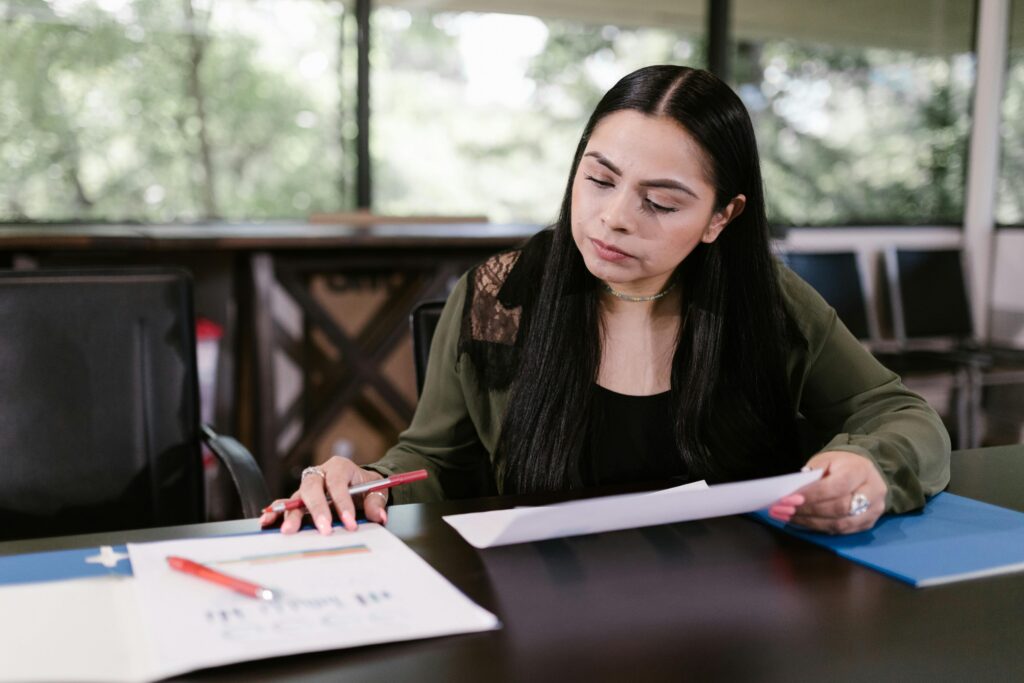
In many households, daughters are taught early to help, contribute, sacrifice, and think about the family. That can make spending money on themselves feel uncomfortable. Even after becoming financially independent, some Latina women feel pressure to financially support relatives, send money home, solve family emergencies, help parents retire, avoid saying “no”, and minimize their own needs. Also, there is the “good daughter” pressure to stay humble and always remaining emotionally available. Some women even downplay their achievements to avoid making others uncomfortable.
The Unspoken Fear: “If My Parents Die, Does This Become My Responsibility?

This is a conversation many Latina women think about privately but rarely say out loud. When parents have spent years financially supporting relatives in their home countries, daughters may quietly begin wondering: “Who continues helping everyone when my parents are gone?” For eldest daughters especially, there can be intense pressure to become the emotional and financial successor of the family.
In some families, parents made promises to relatives out of love, obligation, guilt, or survival. Some examples are: helping build a home back home, financially supporting siblings, paying for land, contributing to medical expenses, funding immigration processes, and “investing” in shared family property.
When parents can no longer fulfill those obligations, many daughters feel emotionally pulled into carrying them forward…even when the promises were never theirs to begin with. This can create enormous internal conflict of: “If I don’t help, I’m abandoning family.” Many Latina women are navigating not only their own financial futures, but inherited family expectations passed down through generations of scarcity and survival.
The Trauma Around “Terrenos” in Latinx Families

One topic that quietly carries significant emotional and financial trauma in many Latinx communities is terrenos– land or property purchased in parents’ home countries. For some families, buying land symbolized hope, success, or the dream of eventually returning home. Parents worked exhausting hours believing they were building something lasting for future generations. But these situations can become deeply painful and complicated.
Many adult children have witnessed:
- relatives fighting over inherited land
- family members taking advantage of parents financially
- unclear ownership documents
- pressure to contribute money toward property they may never use
- manipulation tied to guilt and “family loyalty”
- decades of sending money into projects that never materialize
- conflict after a parent dies regarding who “deserves” the land
Some Latina women describe feeling trapped between honoring their parents’ dreams and protecting themselves financially. Others carry resentment because large portions of family income went toward land investments while immediate needs inside the household were ignored.
Even after becoming financially stable, many Latina women continue operating from survival mode. They may feel anxious spending money on themselves, fear losing everything, feel responsible for rescuing others, or connect resting with being lazy.
This is often intergenerational trauma, not personal failure.
Little by little, many Latina women are learning that supporting family does not have to mean self-sacrifice and rest and enjoyment are not betrayal!
Let’s continue the learning! I offer a free 15-minute phone consultation.


